
Industry High-Quality Dataset Pilot Advances; "4 Libraries + 1 Platform" Becomes the Main Line
Category:NewsPublished on:2026-09-21Views:17038Comments:0#Data Factor#Dataset
The pilot for industry high-quality dataset construction in the industrial and information fields continues to advance, and local competent authorities have organized the second batch of applications. Referencing the "Scenario-based, Atlas-based Guidance for Key-Industry Digital Transformation" and the "Industrial-Scenario Data-Factor Application Reference Guidance", the construction main line is summarized as "4 libraries + 1 platform".
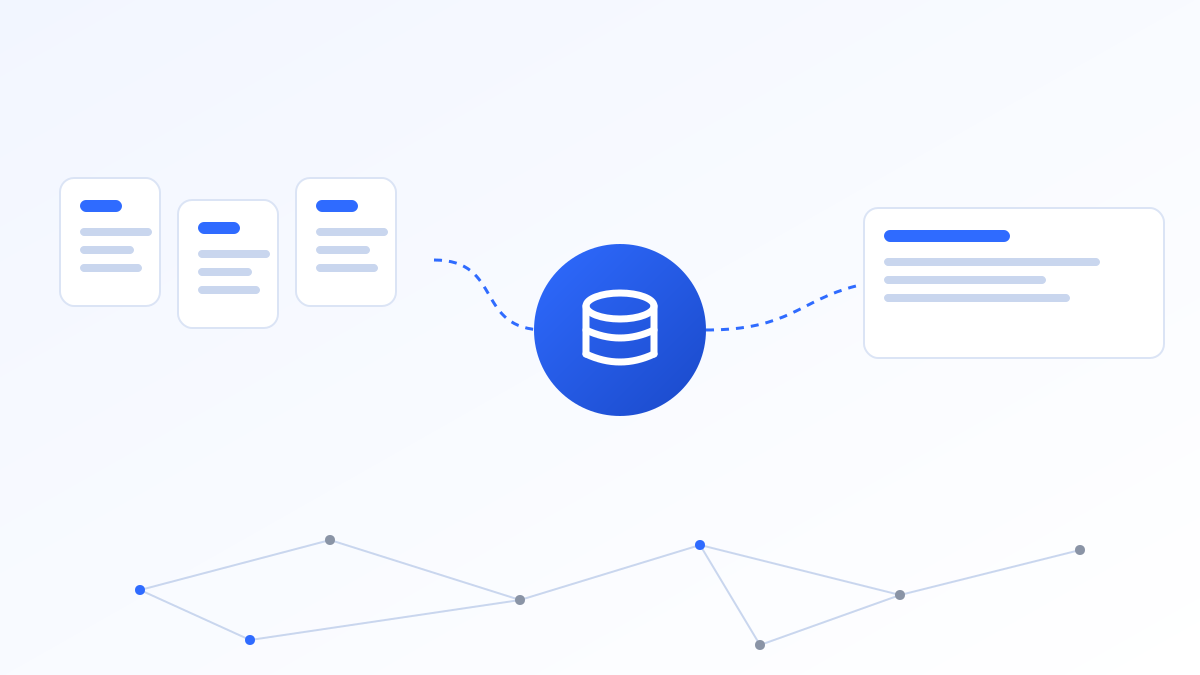
"4 libraries + 1 platform"
- Industry data-resource library: aggregate data scattered across systems;
- Industry data technology-R&D library: crystallize tools and methods for collection, governance, and labeling;
- Industry data standards library: unify caliber, dictionary, and quality standards;
- Industry high-quality-dataset library: produce datasets directly usable for model training and AI applications;
- Industry smart-service platform: carry the circulation and reuse of datasets.
Why divide into four layers
Many units build datasets by "export the data, package, deliver" — the result being the next project can't use it. The four-layer framework's meaning: the resource layer solves "having", the technology layer solves "replicable", the standards layer solves "consistent caliber", and the result layer is the directly-usable dataset. Missing any layer, the dataset degrades into a one-time delivery file package.
What it means to us
A dataset is not "piling data together" — it needs resource, technology, standards, and result layers. We deliver data-governance and labeling services along this framework: with labeling spec, sampling report, and data dictionary all complete, the dataset can be reused for the next project.
What enterprises can do
- First do an internal data inventory, clarifying what data exists, where, who owns it — no need to pursue building it all at once;
- Pick a high-frequency scenario for a pilot dataset, using it to verify "can data support model effect";
- Watch the application batches organized by local competent authorities, noting that application materials usually need to state data source and compliance.
Application conditions and batch requirements are subject to competent-authority notices.
Comments(0)
No comments yet — be the first to share